
TL;DR
Acupuncture is an evidence-supported, medication-free treatment that can relieve pain, reduce muscle tension, and promote recovery in people with repetitive strain injuries. Whether you’re dealing with discomfort from work or sport, a personalized acupuncture plan can help restore functional movement and support long-term healing.
Repetitive strain injuries (RSIs) are common among workers, tradespeople, and athletes in Transcona. Whether you’re on your feet all day, working with your hands, or training hard in sport, repetitive motion can take a serious toll on your muscles, joints, and nerves.
Acupuncture is gaining traction as a safe, non-medication approach to treating RSIs. By targeting key points along the body, acupuncture helps relieve pain, ease muscle tension, and support functional recovery without relying on medication. In this blog, we’ll break down how acupuncture works and why it’s a valuable option for anyone navigating a repetitive use injury.
What Are Repetitive Strain Injuries and Why Do They Matter?
Repetitive strain injuries are overuse injuries caused by repeated motion, awkward posture, or sustained stress on muscles and joints. Common examples include carpal tunnel syndrome, tennis elbow, and wrist tendonitis.
If untreated, RSIs can lead to long-term discomfort, muscle weakness, and reduced range of motion—potentially sidelining you from work or sport. Symptoms often include:
• Dull, aching pain in the affected area
• Numbness or tingling
• Loss of grip strength or fine motor control
• Stiffness that worsens over the day
Addressing RSIs early is essential for full recovery and injury prevention. A functional, pain-free body is key for both everyday tasks and high-performance activity.
You can learn more about RSI-related conditions we treat in depth, such as carpal tunnel syndrome and tennis elbow.
How Does Acupuncture Offer Pain Relief Without Medication?
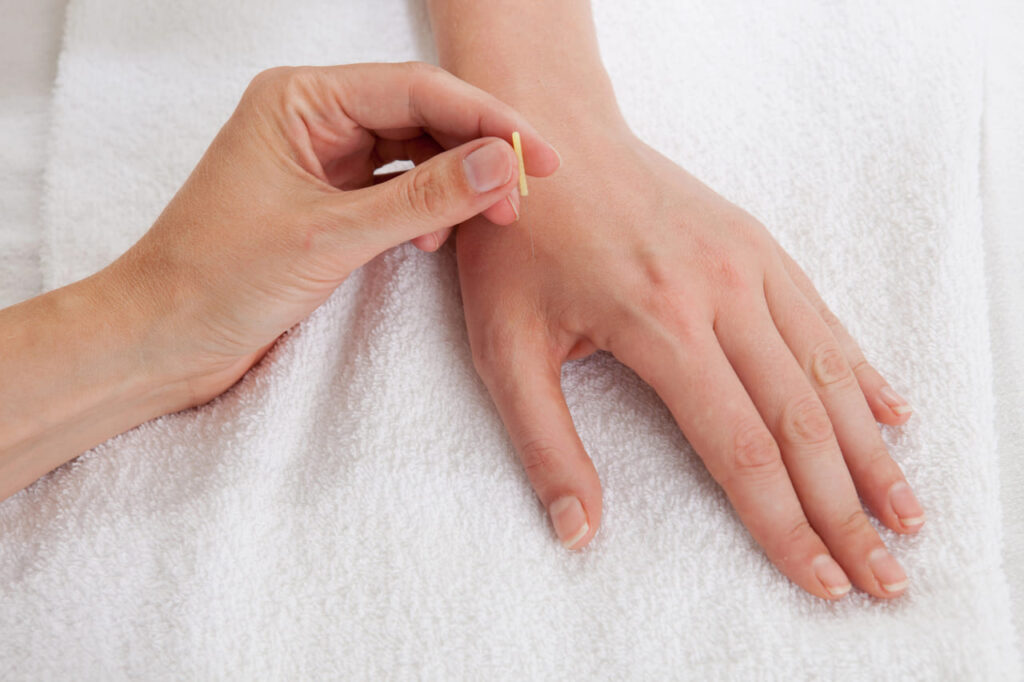
Acupuncture stimulates specific points on the body using fine, sterile needles to activate the nervous system and promote healing. In RSIs, this approach helps disrupt the pain cycle, promote local blood flow, and modulate inflammatory responses.
The body’s response to acupuncture includes the release of endorphins (natural painkillers) and a shift in how pain signals are perceived. Multiple NIH-supported studies show meaningful pain reduction following acupuncture, especially in chronic or musculoskeletal conditions.
For RSIs, this means you don’t have to rely solely on medication to manage discomfort. Acupuncture allows you to stay engaged in recovery activities like exercise therapy or manual work while minimizing pain through a natural method.
Can Acupuncture Help Reduce Muscle Tension?
Yes. One of acupuncture’s key benefits is relieving muscle tightness that often builds around repetitive use injuries.
How It Works
During treatment, needles can be applied in specific motor points or tight bands of muscle (often referred to as “trigger points”) helps interrupt the pain-spasm cycle. This leads to reduced tone in overactive muscles, which improves mobility and reduces strain on tendons and joints.
What the Research Says
According to NIH-supported research, acupuncture has been shown to reduce muscle hyperactivity and improve soft tissue healing. This effect supports recovery while lowering the risk of chronic compensation patterns or re-injury.
Is Acupuncture Effective for Improving Function During RSI Recovery?
Yes. Acupuncture supports gradual functional improvement by addressing the root contributors to stiffness, weakness, and poor muscle activation.
Beyond short-term pain relief, regular acupuncture can improve circulation, stimulate nerve pathways, and reduce inflammation—critical elements of tissue repair and rehabilitation. It also complements other recovery strategies, from physiotherapy to strength training.
Personalized acupuncture treatment plans are tailored to your injury, goals, and lifestyle. Whether you’re working toward pain-free lifting at work or returning to sport, we adjust each plan based on your individual response and progress.
Combined treatment often yields faster, more sustainable results. Explore our acupuncture services in Transcona to see how it fits into your recovery program.
What Do Clinical Studies Say About Acupuncture for RSI Recovery?
Several studies reinforce the role of acupuncture in effective RSI management. An Illinois State University thesis research project found that electrical stimulation through acupuncture needles—often used for conditions like carpal tunnel—can improve nerve conduction and reduce pain levels associated with overuse injuries.
Research also emphasizes acupuncture’s role in modern rehabilitation, especially when paired with activity modification, ergonomic education, and progressive exercise. In clinical settings, acupuncture is often used to support:
• Decreased reliance on medication for chronic RSI pain
• Improved soft tissue elasticity for better movement
• Neuromuscular coordination and retraining for functional recovery
If you’re dealing with persistent discomfort from repetitive tasks, activities, or equipment use, acupuncture could be a valuable addition to your rehab strategy.
Key Takeaways
• Repetitive strain injuries are caused by overuse of muscles and joints, often from work or sport.
• Acupuncture offers safe, medication-free pain relief and supports long-term RSI recovery.
• Research shows acupuncture can help reduce muscle tension and interrupt pain cycles.
• Personalized treatment plans use acupuncture to improve function, mobility, and tissue healing.
• Clinical studies support acupuncture as an effective tool in musculoskeletal rehabilitation.
Explore Acupuncture Treatment for RSI at Harbourview Therapy
If you’re struggling with pain or function issues from repetitive strain, Harbourview Therapy provides acupuncture services designed for real-world recovery. Whether you’re an active worker, athlete, or parent managing daily tasks, we’re here to support your progress from pain back to performance. Book a consultation and take your next step toward moving better and healing fully.
FAQs
How often would I need acupuncture sessions for repetitive strain injury recovery?
Frequency depends on your condition and response to treatment. Most RSI recovery plans start with 1–2 sessions per week, adjusting as pain and function improve. At Harbourview Therapy, we tailor your plan to your activity level and healing goals.
Is acupuncture for RSI recovery covered by insurance in Transcona, Winnipeg?
Many extended health plans in Winnipeg include coverage for acupuncture, especially when performed by a licensed therapist. We recommend checking with your provider to confirm your specific benefits.
Can acupuncture be used in conjunction with other RSI treatments?
Yes. Acupuncture often enhances results when combined with other therapies like physiotherapy or exercise rehab. We take an integrated approach to ensure your treatment remains coordinated and effective throughout your recovery.


