
TL;DR
Acupuncture supports recovery from musculoskeletal pain by reducing fluid stagnation. You reduce inflammation, relieve muscle tension, and improve joint function. For active individuals and workers in Transcona, it can be a useful part of a personalized treatment plan that promotes long-term movement and strength.
What Is Musculoskeletal Pain and How Can Acupuncture Help?
Musculoskeletal pain can develop from overuse, injuries, poor posture, or underlying conditions, affecting muscles, joints, tendons, or ligaments. This discomfort often limits movement and function, making daily activity, work, and sport difficult to manage. If you’re dealing with pain or restricted movement, acupuncture may offer a supportive approach to recovery.
In this article, we’ll explore how acupuncture plays a role in relieving musculoskeletal pain, reducing inflammation, and encouraging tissue healing. We’ll look at current research to give you a clear, evidence-based view. Whether you’re an active individual, a worker managing physical demands, or someone recovering from injury in Transcona, this guide is for you.
How Does Acupuncture Support Pain Relief in Muscles and Joints?
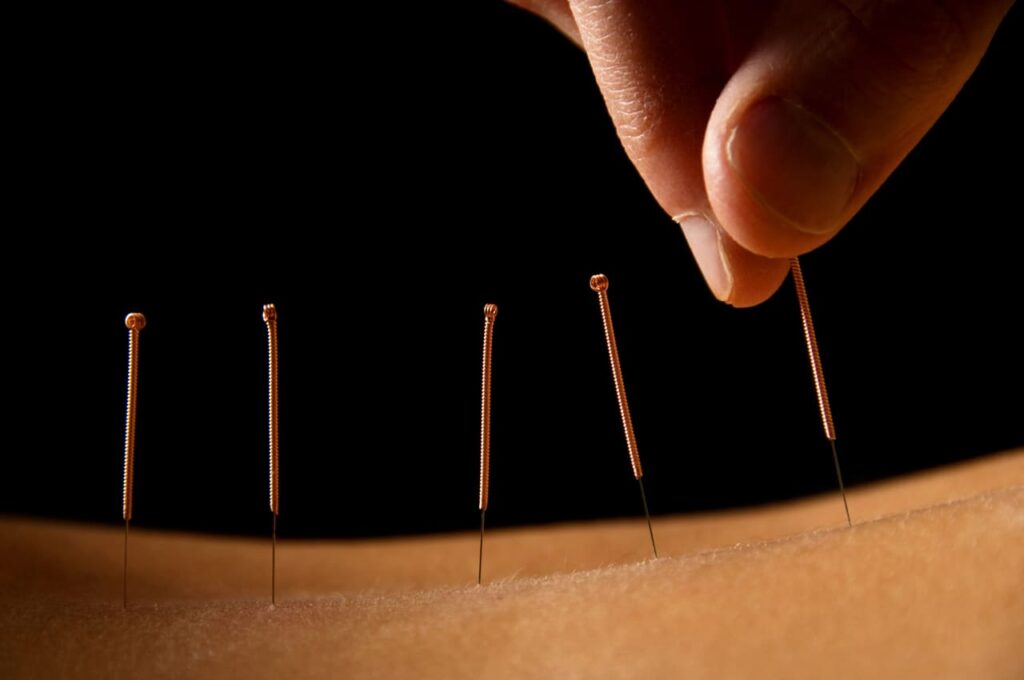
Acupuncture is a therapeutic technique that involves the insertion of thin, sterile needles into specific points on the body. These points are chosen based on a combination of traditional practices and modern anatomical understanding. One of their goals is to stimulate nerves and muscles in a way that helps your body manage pain and restore function.
Research shows that acupuncture can support pain relief through several mechanisms. A notable study published in the Journal of Chinese Medicine (PMC12440497) highlights that acupuncture, along with massage, significantly enhances recovery following surgery by promoting faster pain relief and improved mobility. These results also translate well to common musculoskeletal injuries and conditions, including strains, sprains, and tension-related pains.
Mechanisms Behind Pain Relief
• Endorphin release: Acupuncture prompts your body to release endorphins, natural chemicals that reduce the sensation of pain.
• Nerve signalling modulation: Targeted needling may interrupt pain signals from reaching the brain.
• Improved circulation: Acupuncture increases local blood flow, which may help warm tissue, reduce stiffness, and ease muscle tightness.
Does Acupuncture Support Tissue Recovery?
Yes, acupuncture has been studied for its role in supporting the healing of tissues after musculoskeletal injuries. It works not only to relieve symptoms but also to help the body repair itself in a more efficient and balanced way.
According to a review published in the Evidence-Based Complementary and Alternative Medicine Journal (PMC9434305), acupuncture may help reduce localized inflammation, improve blood flow to injured tissues, and enhance the body’s healing response. These factors are essential in soft tissue recovery, especially for muscle strains, ligament sprains, and overuse injuries.
For people recovering from workplace injuries or sports-related damage, this kind of support is valuable. When paired with structured rehab, acupuncture may contribute to quicker, safer returns to activity.
Can Acupuncture Improve Joint Movement and Function?
Acupuncture may assist in reducing joint pain and improving your range of motion by targeting the surrounding muscles and connective tissues that impact joint alignment and movement.
In a study focusing specifically on acute musculoskeletal pain, researchers found that acupuncture has practical benefits in managing joint discomfort caused by inflammation or strain (PMC9511597). While it doesn’t change bone or cartilage directly, it supports the soft tissues and nervous system subsystems that influence joint functionality.
Potential Joint-Related Benefits
• Lowers stress on joints by releasing tension in surrounding muscles
• Reduces joint stiffness by improving local blood flow
• Helps manage inflammation contributing to joint swelling or sensitivity
Is Acupuncture Customizable for Muscle Recovery in Transcona?
Acupuncture therapy should always be personalized. At Harbourview Therapy, we tailor your acupuncture treatment plan to your specific condition, recovery needs, and lifestyle demands. Whether you’re dealing with low back pain from lifting at work or recovering from a hamstring strain from sport, the technique, points used, and frequency of treatment will be adapted to fit you.
Targeted acupuncture therapy for muscle recovery in Transcona considers musculoskeletal anatomy, the type and severity of injury, and your overall mobility goals. For many patients, we combine acupuncture with other therapies, like massage or strength rehabilitation, as part of a structured approach to recovery.
Integrated Therapies for Better Outcomes
Customized plans might also include strategies like massage therapy to ease chronic muscle pain or joint mobilization techniques, depending on your needs. No generic treatment plans here—every session is designed to move you closer to long-term functional results.
How Can You Safely Add Acupuncture to Your Recovery Plan?
To incorporate acupuncture safely, always work with a licensed practitioner who understands injury patterns, movement mechanics, and your broader treatment plan. At Harbourview Therapy, acupuncture is provided by trained professionals who collaborate with other healthcare providers when necessary. We prioritize communication and work with physiotherapists, physicians, or rehab specialists to ensure safe, synchronized care.
We recommend starting with a detailed assessment to determine how acupuncture fits into your recovery goals—whether that’s getting back to work, managing chronic tension, or building movement confidence post-injury.
| Recovery Goal | Acupuncture’s Role |
| Reduce acute pain | Targets pain pathways and reduces sensitivity |
| Support tissue repair | Enhances circulation and reduces local inflammation |
| Improve movement | Releases muscle tension and supports joint mobility |
Key Takeaways
• Acupuncture involves targeted needle therapy that may support recovery from musculoskeletal pain and movement challenges.
• Research shows acupuncture can reduce inflammation, improve circulation, and stimulate endorphin release to ease pain.
• It supports joint function by releasing muscle tension and promoting tissue health.
• Customized acupuncture plans—especially in active communities like Transcona—help individuals recover from work- or sport-related injuries.
• Integrating acupuncture with a broader treatment strategy ensures safer, more effective recovery and long-term resilience.
Explore Acupuncture as Part of Your Recovery
If you’re managing muscle or joint discomfort, acupuncture might be a supportive therapy to consider as you rebuild strength, improve movement, and return to daily life with confidence. At Harbourview Therapy, we provide personalized acupuncture care as part of an integrated recovery plan. Book a consultation to learn how we can help support your progress today.
FAQs
What makes acupuncture an option for treating musculoskeletal pain and movement challenges?
Acupuncture works on your entire body and on the nervous and circulatory systems to reduce pain, relax tense muscles, and support the body’s natural healing responses. It’s a drug-free, evidence-informed option that can help manage pain and improve function alongside other therapies.
How often should someone undergo acupuncture treatment for the best results?
The frequency depends on your condition, recovery goals, and how your body responds to treatment. Some people benefit from weekly sessions initially, tapering to maintenance care as healing progresses. We regularly reassess to keep your plan aligned with your progress.
Can acupuncture be used alongside other treatments for muscle and joint recovery?
Yes, it works effectively with physiotherapy, massage, strength rehab, and medical care. In fact, combining acupuncture with therapies like massage for tension relief can offer more comprehensive results by addressing multiple aspects of pain and movement restrictions.


